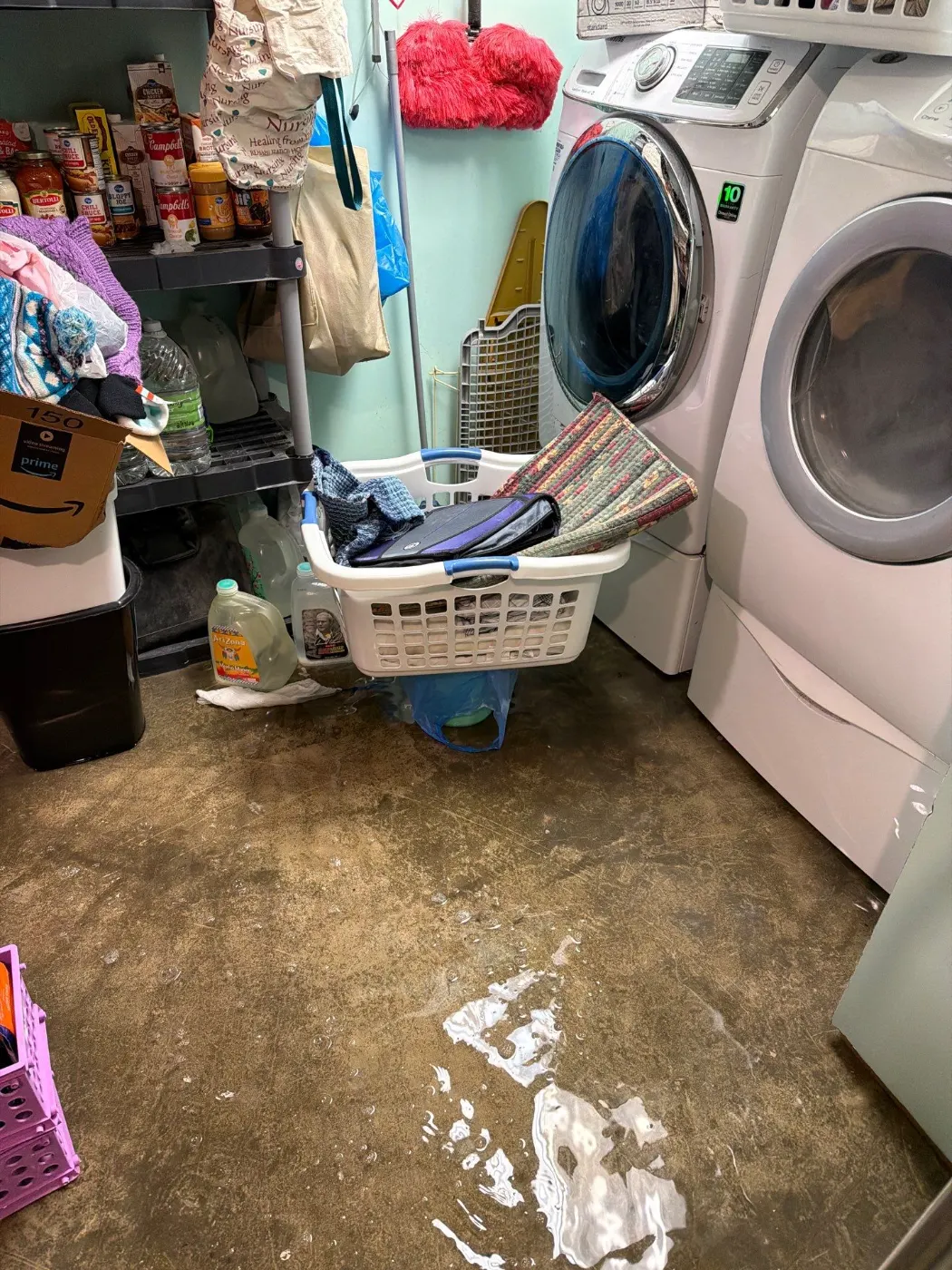
Basement Flooding in Meridian-Kessler, IN
Meridian-Kessler Water Restoration helps you keep as much of your finished Meridian-Kessler basement as the moisture readings allow.
Meridian-Kessler Water Restoration handles Basement Flooding for Meridian-Kessler, IN homeowners: emergency dispatch around the clock, IICRC certified technicians, and insurance coordination on approved claims. Call (317) 342-7736.
- Service: Basement Flooding for Meridian-Kessler homeowners
- Service area: Meridian-Kessler, IN and surrounding areas
- Response time: Same day emergency response for Meridian-Kessler; 24/7 availability
- Licensed and insured (License #RC21100059)
- Serving Meridian-Kessler, IN since 2018
Basement Flooding Cleanup in Meridian-Kessler
We'll pump out and dry a flooded basement anywhere in Meridian-Kessler, day or night.
Basements Here
Most Meridian-Kessler homes went up in the 1920s and 1930s, and full basements are the norm.
Where the Water Comes From
Many basements here depend on a sump pump to stay dry, so a pump that quits during a storm can flood the space fast. In heavy storms, sewer water can also back up through floor drains, and that turns the job into sewage cleanup.
Our crews work all over Meridian-Kessler, from the Pennsylvania Street / Washington Boulevard Corridor to the streets near the Indiana State Fairgrounds and the Monon Trail. Nearby, we also pump out basements in Crown Hill, Midtown Indianapolis, Herron-Morton Place and Mapleton-Fall Creek.
Expert Basement Flooding for Meridian-Kessler Homeowners
Water coming up through a slab crack or a saw cut in the floor means the pressure is underneath you, and the ground outside is holding more water than the footing drains can move. That gives your Meridian-Kessler basement a wet floor even though nothing broke. Meridian-Kessler Water Restoration extracts it and dries the slab along with the framing that sits on it.
A basement job in Meridian-Kessler gets its own checklist on the first visit. The crew checks power at the panel, finds the entry point, pumps the slab and reads the walls at several heights. Meridian-Kessler Water Restoration photographs each step, and the drying equipment goes in before the crew leaves, so you'll have photos and readings from the first day.
Built ins in a finished basement in Meridian-Kessler get their own treatment. The toe kick on a vanity or cabinet comes off so the crew can read the wood behind it and dry the space underneath. Solid wood and plywood often dry in place, while swollen particleboard and laminated panels usually come out. Stair treads and stringers get readings too, and each piece is photographed before the decision.
Adjusters ask for the same things on a basement loss nearly every time: the source, the category, the affected square footage by room, the materials removed and the reason each one came out, the equipment on site with the days it ran, and daily moisture readings against a dry baseline. Meridian-Kessler Water Restoration produces all of it while the job runs in Meridian-Kessler, so nobody's reconstructing it from memory later.
Boxes and keepsakes stored in your Meridian-Kessler basement get sorted by what the water touched. Call Meridian-Kessler Water Restoration and the crew photographs and lists each item where it sits, so the decisions about what can be cleaned and what goes are made with a record behind them. A description of what was stored down there helps the crew plan.
Signs You Need Basement Flooding Cleanup
If you notice any of these in your Meridian-Kessler home, schedule a free inspection before the issue worsens.
Cardboard boxes gone soft at the bottom corners, or collapsing when you pick them up
Puddles that show up in your Meridian-Kessler basement after heavy rain and dry out before anyone sees them
The sump pump in your Meridian-Kessler home hums but no water moves up the discharge pipe
The dehumidifier bucket filling far faster than it used to
Dark speckling on the paper face of the drywall near the floor, or on the back of a box
Water rising around the floor drain cover, or the drain taking laundry water slowly
Stair step cracks in the block wall that darken and bead moisture after days of rain
A wet base around the furnace or water heater, or a damp burner compartment
Your water heater is leaking at the base, with water spreading across the Meridian-Kessler basement floor
A tide line across the legs of stored furniture, sitting higher on one side of the room
How Meridian-Kessler Water Restoration Handles Basement Flooding
We follow these steps in order on every Meridian-Kessler job.
Water Classification
The crew assigns a water category in your Meridian-Kessler home from the source and from the hours the water has sat, and the category sets the protective gear and which materials come out. Sewage is Category 3 and gets handled as a sewage cleanup.
Water Extraction
Submersible pumps take the standing water off the slab, then weighted extraction tools pull what the carpet and pad are holding. Hard floors get squeegeed toward the low point, and water trapped behind baseboard comes out through controlled openings in the wall.
Scope Review
The crew walks the moisture map of your Meridian-Kessler basement with you and explains what can dry in place and what has to come out. You approve the scope in writing before any drywall is cut, and any change comes with new photos and readings.
Contents Handling
What was stored on the floor gets photographed, inventoried, and either blocked up off the slab or carried out of the space. Soft goods and cardboard that held contaminated water leave the house, and the list of it goes in your file.
Surface Cleaning
Once removal is done, the crew cleans the slab and the framing that stay in your Meridian-Kessler basement. Air scrubbers run during the work, and the surfaces are ready for the drying equipment before it goes in.
Basement Flooding in Meridian-Kessler
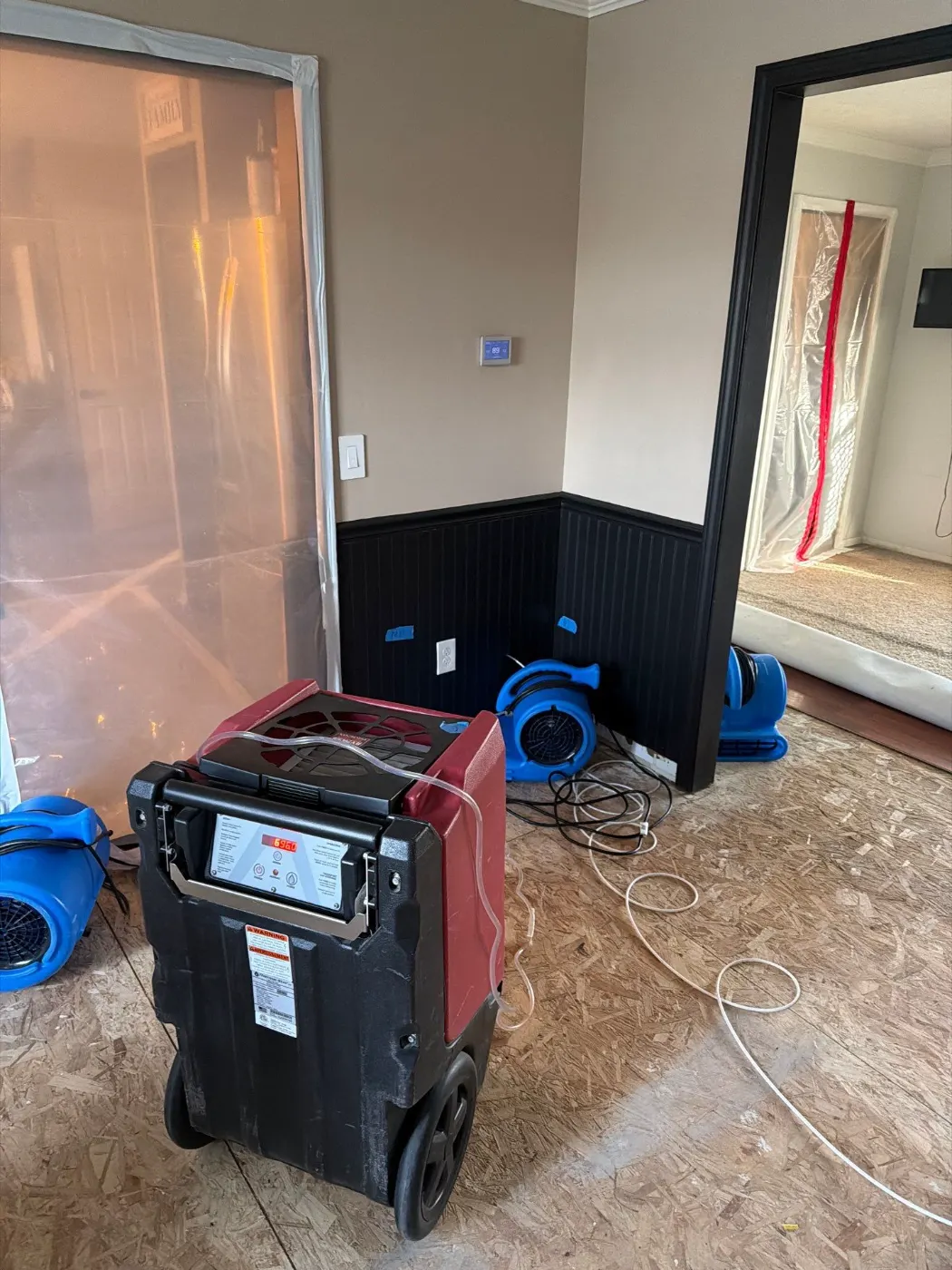
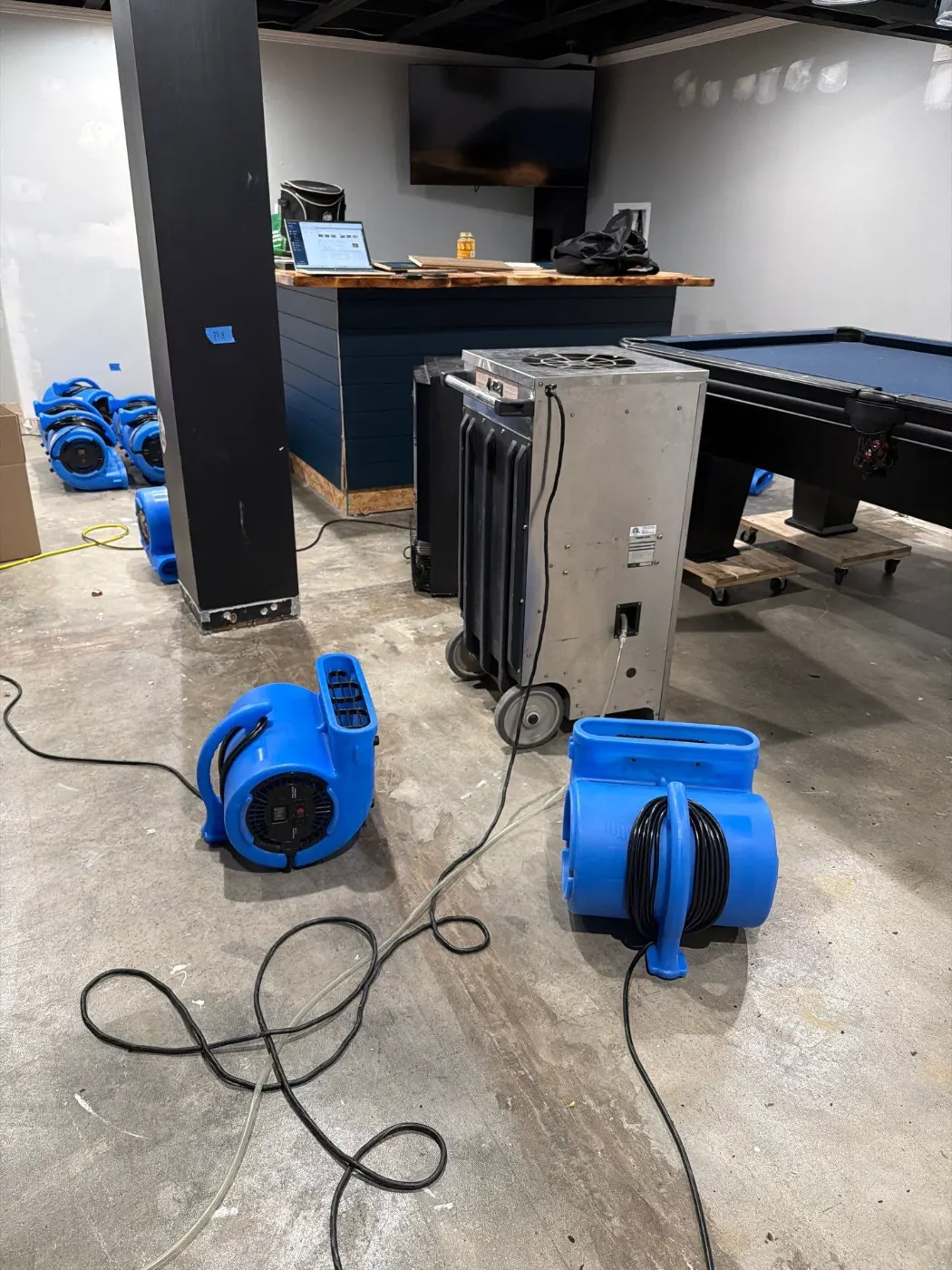
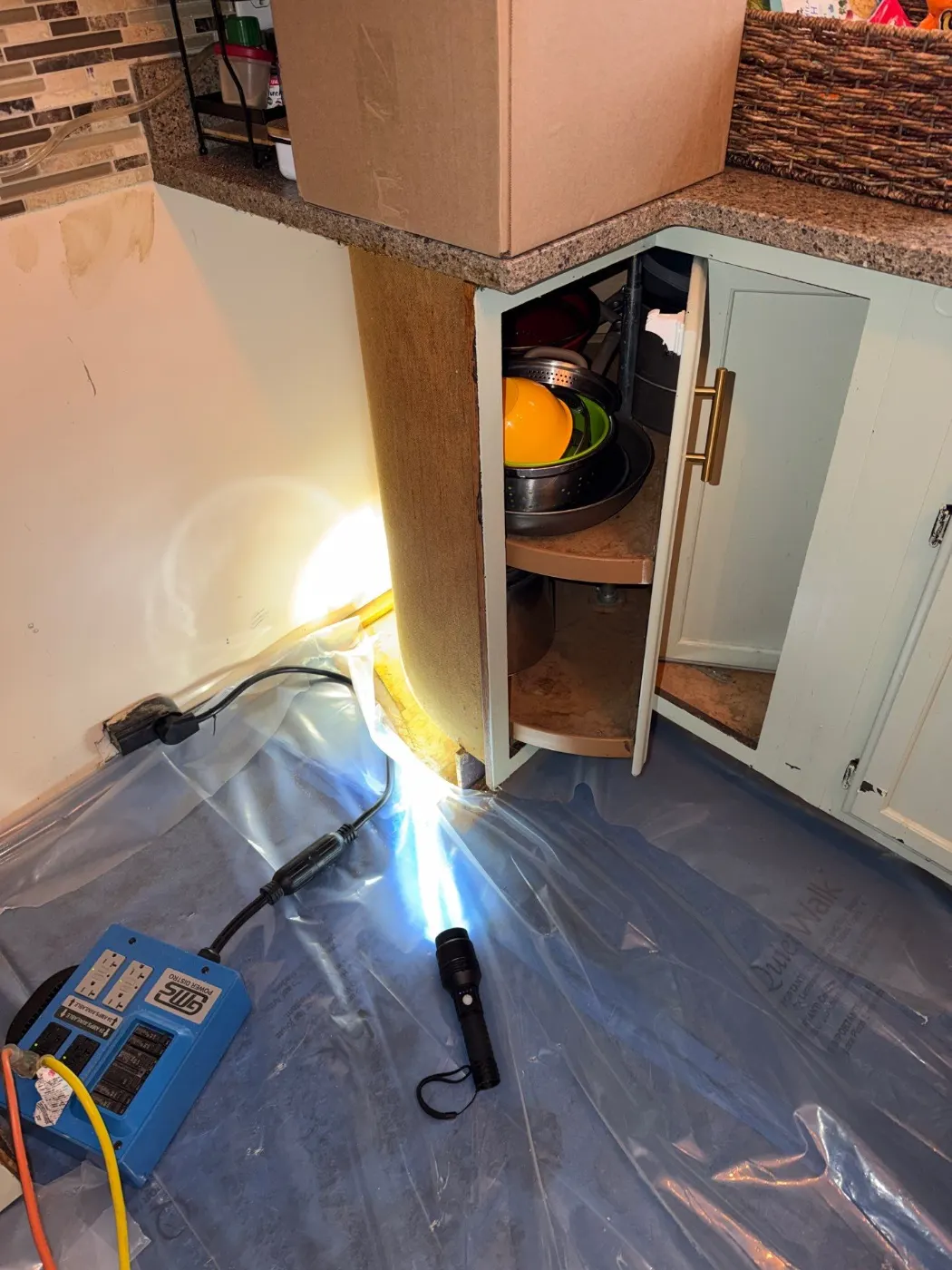
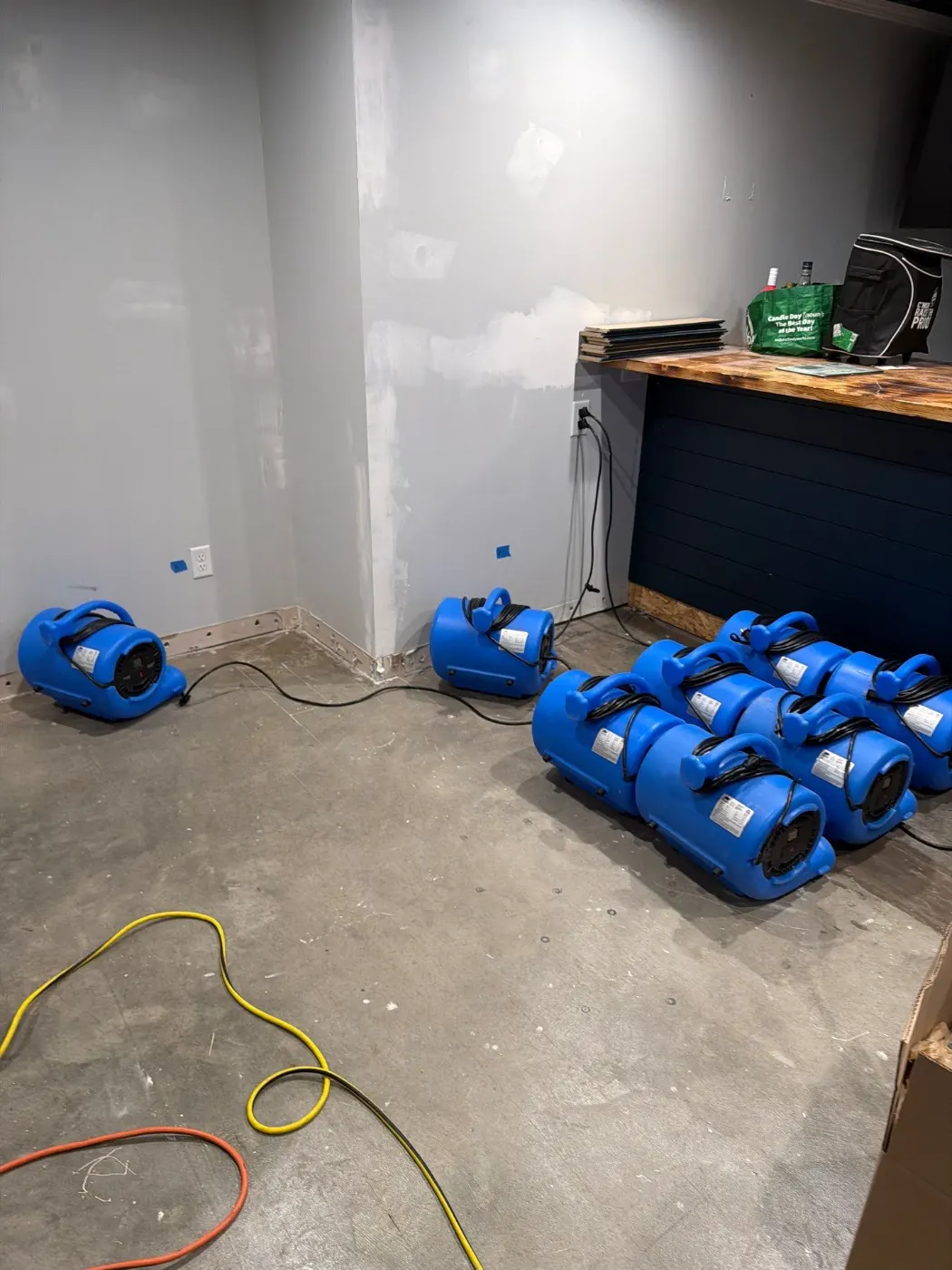
Photographs from real basement flooding jobs completed by our crew in Meridian-Kessler and surrounding areas.
Basement Flooding FAQ
Questions Meridian-Kessler homeowners ask us about basement flooding cleanup.
Guidance and Standards for Basement Flooding
- EPA advises drying water damaged areas and items within 24 to 48 hours to prevent mold growth. EPA: A Brief Guide to Mold, Moisture and Your Home
- Ready.gov notes that homeowners insurance policies don’t cover flooding, so check what your own policy says. Ready.gov: Floods
Meridian-Kessler Neighborhoods We Serve
We take basement flooding calls in every part of Meridian-Kessler. Pick your neighborhood for local details.
Other Restoration Services in Meridian-Kessler
Meridian-Kessler Water Restoration handles the full scope of restoration work. Explore our other services below.
Water Damage Restoration in Meridian-Kessler
24/7 emergency response. IICRC certified water restoration from extraction to full dry out.
Learn more →Sewage Cleanup in Meridian-Kessler
Category 3 biohazard cleanup. Full containment, decontamination, structural restoration.
Learn more →Storm Damage in Meridian-Kessler
Storm related water emergencies. Tarping, extraction, drying, and full restoration.
Learn more →Request Basement Flooding Cleanup
Reach Us Directly
Our team is available 24/7 for emergencies and ready to schedule inspections during business hours.
Need Immediate Help?
For active water or mold emergencies, call us directly. We are available 24/7.